
Losing a loved one is difficult enough without the added pressure of clearing their home quickly. Between emotional stress, legal responsibilities and practical decisions, many families feel overwhelmed by the process.
Temporary storage can help by giving you extra time and space to sort belongings carefully rather than making rushed decisions. Whether you are preparing a property for sale, waiting for probate or simply trying to process everything gradually, storage offers a secure place to keep important items while you work through things at your own pace.
This guide explains when temporary storage may help, what to store, what to avoid moving too quickly and how to make the process more manageable during bereavement.
A Quick Answer For Families Facing House Clearance
If you need to clear a loved one’s home after a bereavement, temporary self-storage can provide a secure place to keep furniture, sentimental belongings, documents and household items while you decide what to do next.
This can help reduce pressure, prevent rushed decisions and give family members more time to organise the estate properly.
When Temporary Storage Can Help During Bereavement
Temporary storage is often useful when there is pressure to clear a property before the family feels emotionally or practically ready.
Common situations include:
- Preparing a house for sale
- Returning a rented property
- Waiting for probate or estate decisions
- Giving family members time to sort through belongings
- Managing a house clearance in stages
- Downsizing inherited furniture or possessions
- Avoiding rushed decisions during grief
- Creating space while renovating or redecorating a family property
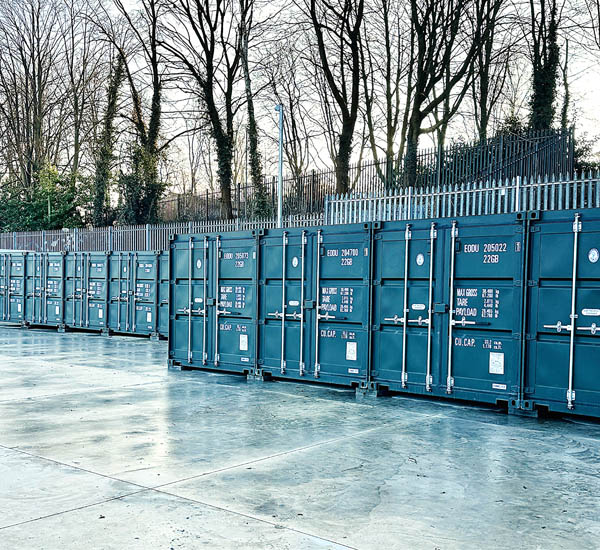
For many families, storage acts as a temporary pause button. Instead of deciding everything immediately, you can keep belongings safe while working through the process more carefully.
Why Families Often Regret Rushing A House Clearance
One of the biggest challenges after a bereavement is the pressure to “deal with everything” quickly.
In reality, grief can make decision-making much harder. Items that seem unimportant at first may later carry emotional value, and disagreements between family members can become more stressful when decisions feel rushed.
A temporary storage unit allows you to:
- Sort belongings gradually
- Keep sentimental items safe
- Give relatives time to visit the property
- Separate urgent tasks from emotional decisions
- Avoid cluttering your own home with boxes and furniture
- Reduce stress during probate or property sales
It can also help when multiple family members are involved. Rather than making rushed decisions straight away, belongings can be stored safely while everyone has time to discuss what should happen next.
Temporary storage is often used for:
- Furniture
- Family photographs and keepsakes
- Boxes of personal belongings
- Household contents
- Books, collections and sentimental items
- Tools or garden equipment
If you are unsure about certain belongings, it is usually better to store them temporarily until you feel ready to decide what to do with them.
What Should You Avoid Moving Too Quickly?
Some belongings should be handled more carefully before they are packed away or distributed.
This can include:
- Wills and legal paperwork
- Property deeds
- Insurance documents
- Bank statements and financial paperwork
- Passports and identification
- Jewellery or valuables
- Items specifically mentioned in a will
- Medication or medical equipment
It is also helpful to:
- Take photographs before moving valuable items
- Label boxes clearly
- Keep an inventory of important belongings
- Separate documents from general household contents
If probate or legal matters are involved, professional advice may be needed before disposing of certain items.
How Storage Can Ease Family Tensions
Bereavement affects everyone differently.
Some relatives may want to clear the property quickly, while others may feel emotionally attached to certain belongings or need more time to process things.
Temporary storage creates breathing room by removing immediate pressure. Instead of making permanent decisions straight away, families can focus on organising the practical side first and reviewing belongings later when emotions are less intense.
This can be especially helpful when:
- Family members live far apart
- There are disagreements about possessions
- Multiple people are involved in managing the estate
- The property has a deadline for clearance
- There are large amounts of furniture or belongings to sort
Choosing The Right Storage During Bereavement
Not all storage situations are the same, so flexibility matters.
When comparing storage providers, look for:
- Flexible rental terms
- Clear pricing
- No hidden charges
- A choice of unit sizes
- Secure CCTV-monitored facilities
- Alarmed access systems
- Easy loading and unloading
- Helpful customer support
- Convenient access hours
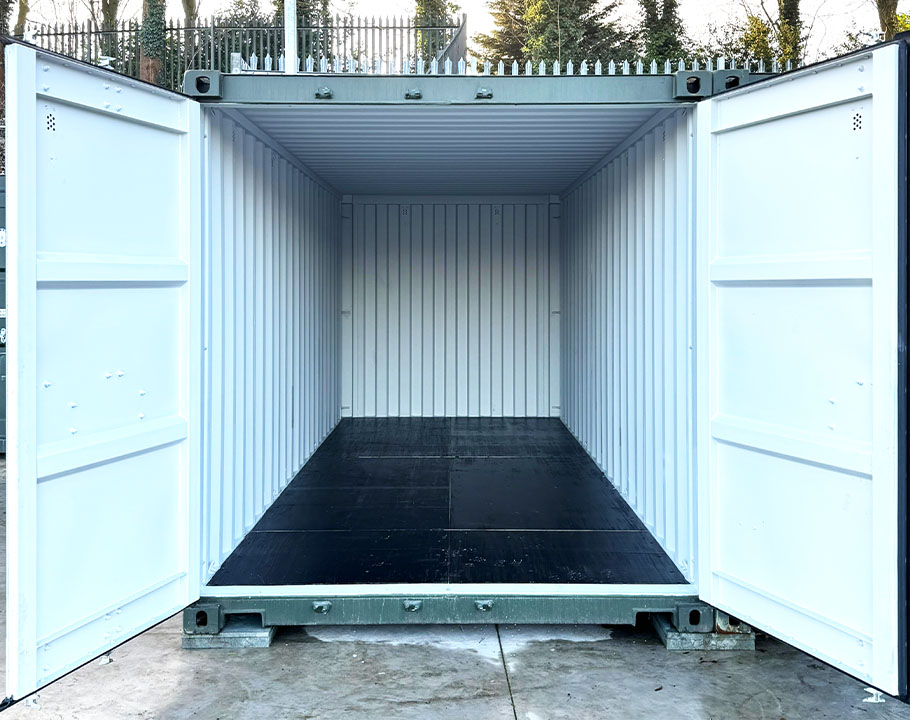
Sutton Maddock Self Storage offers a range of secure storage units suitable for both short-term and longer-term use. With unit sizes ranging from 16 sq ft to 200 sq ft, families can store anything from a few boxes to the contents of an entire home.
Practical Tips For Packing A Loved One’s Belongings
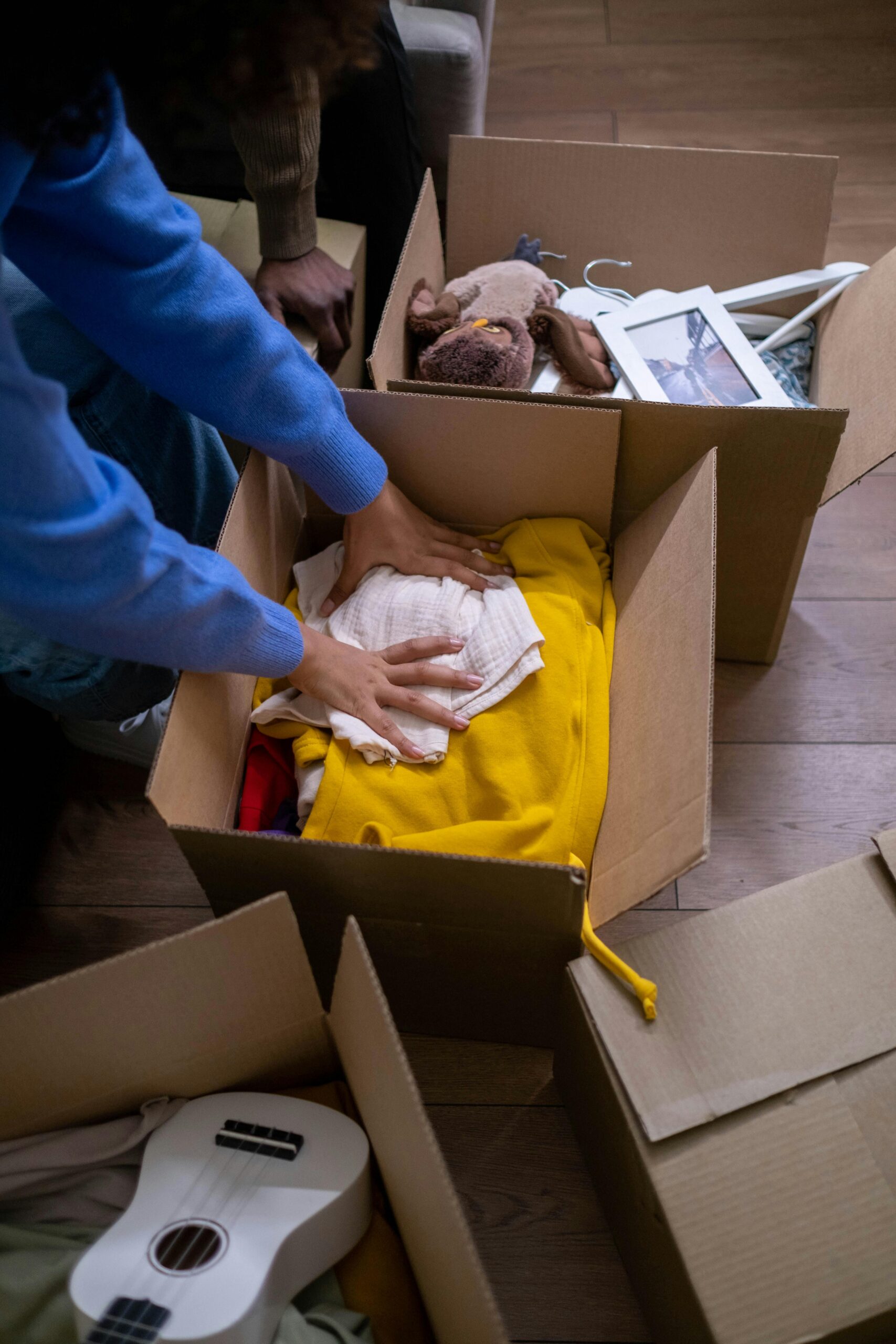
Packing a family home during bereavement can feel emotionally draining, especially if there are years of belongings to sort through.
A few practical steps can make the process feel more manageable.
Label Everything Clearly
Simple labels save time later.
Examples include:
- Important documents
- Family photographs
- Kitchen items
- Clothing to review
- Charity donations
- Sentimental keepsakes
- Fragile items
Keep Essential Documents Separate
Avoid packing critical paperwork deep inside storage boxes.
Keep items such as:
- Death certificates
- Wills
- Financial paperwork
- House keys
- Probate documents
- Identification
somewhere secure and easy to access.
Do Not Try To Clear Everything In One Day
Many families underestimate how emotionally tiring house clearance can be.
Instead:
- Work in shorter sessions
- Take breaks regularly
- Accept help where possible
- Focus on one room at a time
- Leave emotional items until later if needed
Frequently Asked Questions About Bereavement Storage
Can I Use Self Storage While Waiting For Probate?
Yes, many families use temporary storage while probate or estate matters are ongoing. However, it is important to avoid disposing of important items before receiving appropriate legal guidance.
How Long Can I Keep Items In Storage?
This depends on your needs. Some families only require storage for a few weeks, while others need several months while handling probate, property sales or family arrangements.
Is Temporary Storage Suitable For Furniture?
Yes. Furniture is one of the most common reasons people use self storage during bereavement, especially when clearing an entire property.
What Size Storage Unit Might I Need?
Smaller units may suit boxes and personal items, while larger units are better for full household contents and furniture. Choosing the right size depends on how much you plan to store.
Can Multiple Family Members Access A Storage Unit?
This depends on the storage provider’s policies and how access is arranged. It is best to discuss this directly before booking.
Giving Yourself Time To Handle Things Properly
Clearing a loved one’s home is not just a practical task. It is emotional, personal and often more time-consuming than people expect.
Temporary storage can help make the process feel less overwhelming by giving you time to sort belongings carefully instead of rushing important decisions.